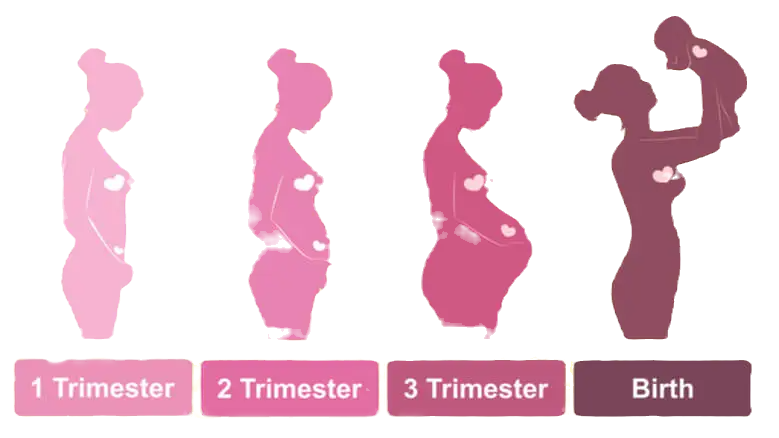
Abortion pills for 1-2 trimester
- TeleMeds - A Healthcare Guide
- Dec 26, 2024
- 5 min read


First Trimester (Up to 10 Weeks)
1. Mifepristone: This is the first medication taken. It works by blocking the hormone progesterone, which is necessary for the pregnancy to continue. Mifepristone is usually taken orally.
2. Misoprostol: This is the second medication, taken 24 to 48 hours after mifepristone. Misoprostol causes the uterus to contract and expel the pregnancy tissue. It can be taken either buccally (dissolved between the cheek and gums) or vaginally.
Second Trimester (10-24 Weeks)
For second-trimester abortions, the process is more complex and may involve additional medications or procedures:
1. Mifepristone: Similar to the first trimester, mifepristone is used to block progesterone.
2. Misoprostol: Often used in higher doses or multiple rounds to ensure complete expulsion of the pregnancy tissue. The method of administration can be buccally or vaginally, but it may require more frequent dosing.
3. Additional Medications: In some cases, other medications like methotrexate may be used in combination with mifepristone and misoprostol to ensure the abortion is complete.
Providers and Costs
Planned Parenthood: Offers both mifepristone and misoprostol for first-trimester abortions. The cost can range from $500 to $1,500 depending on the location and specific services required.
Hey Jane: Provides a similar regimen of mifepristone and misoprostol for first-trimester abortions. The cost is around $249, which includes consultation fees, medication, shipping, and provider check-ins.
Safety and Effectiveness
Medication abortion is considered very safe and effective, with serious complications occurring in less than 0.3% of patients. The process is highly effective, with ongoing pregnancy reported in just 1.1% of patients.
Follow-Up
A follow-up visit with the provider is recommended to ensure the abortion is complete and to monitor for any complications.
Dosages of Mifepristone and Misoprostol for First and Second Trimester Abortions

First Trimester (Up to 10 Weeks)
Mifepristone:
Dosage: 200 mg orally as a single dose on Day 1.
Misoprostol:
Dosage: 800 mcg (four 200 mcg tablets) taken buccally (between the cheek and gum) 24 to 48 hours after taking mifepristone.
Administration: The tablets are placed between the cheek and gum for 30 minutes, then swallowed with water.
Second Trimester (10-24 Weeks)
Mifepristone:
Dosage: 200 mg orally as a single dose, typically administered 24 hours before misoprostol.
Misoprostol:
Dosage: 400 mcg vaginally every 3 hours until the abortion is complete. The total dose can range from 800 mcg to 3,600 mcg depending on the specific regimen and patient response.
Administration: The misoprostol tablets are inserted vaginally at the appropriate dosage and time intervals.
Additional Information
First Trimester Regimen: This regimen is highly effective, with a success rate of approximately 95% when taken within the first 11 weeks of pregnancy.
Second Trimester Regimen: The success rate for second-trimester abortions using misoprostol alone is about 92.1%. The combination of mifepristone and misoprostol is often used to enhance effectiveness and reduce the time required for the abortion process.
Safety and Follow-Up
Safety: Both mifepristone and misoprostol are considered safe when used as directed. However, they can cause side effects such as nausea, vomiting, diarrhea, abdominal pain, and vaginal bleeding. Serious complications are rare but can include heavy bleeding and infection.
Follow-Up: A follow-up visit with a healthcare provider is recommended about 7 to 14 days after taking the medications to confirm the completion of the abortion and to check for any complications.
For second-trimester abortions, the combination of mifepristone and misoprostol is commonly used. Here is a detailed guide on how to safely combine these medications:
Mifepristone and Misoprostol Combination Regimen
1. Mifepristone Administration:
- Dosage: 200 mg orally.
- Timing: Administer mifepristone first.
2. Misoprostol Administration:
- Dosage: 400 μg every 3-6 hours.
- Route: Vaginally or buccally (in the cheek pouch).
- Maximum Dose: Up to 3,600 μg depending on the individual case and response to treatment.
Detailed Steps:
1. Day 1:
- Administer 200 mg of mifepristone orally.
2. Day 2 (24-48 hours after mifepristone):
- Start misoprostol administration. The typical regimen involves taking 400 μg of misoprostol every 3-6 hours. The exact timing can be adjusted based on the patient's response and the healthcare provider's assessment.
- Continue misoprostol administration until the pregnancy is expelled. This may require multiple doses, up to a maximum of 3,600 μg.
Monitoring and Follow-Up:
Induction Time: The time from the first dose of misoprostol to the expulsion of the pregnancy can vary. It is important to monitor the patient closely during this period for signs of expulsion and any complications.
Follow-Up: A follow-up visit with a healthcare provider is recommended about 7 to 14 days after taking mifepristone to confirm the completion of the abortion and to check for any complications.
Considerations:
Patient Comfort: Patients should be advised to take pain medication, such as ibuprofen, and possibly anti-nausea medication before starting misoprostol to manage symptoms like cramping and nausea.
Side Effects: Common side effects include cramping, bleeding, nausea, vomiting, diarrhea, fever, and chills. These are generally manageable but should be monitored closely.
Complications: Rarely, patients may experience incomplete abortion or excessive bleeding, which may require additional medical intervention such as a surgical procedure or additional doses of misoprostol.
By following this regimen, healthcare providers can effectively manage second-trimester abortions using a combination of mifepristone and misoprostol, ensuring patient safety and efficacy.
Specific studies have shown that there is little to no difference in the rates of successful abortion when using multiple doses of mifepristone compared to a single dose.
Here are some key findings:
1. A study published in the journal Obstetrics & Gynecology found that the combination of mifepristone and misoprostol successfully ended a pregnancy nearly 100% of the time. This study supports the effectiveness of the two-drug regimen, which includes a single dose of mifepristone followed by misoprostol.
2. A randomized, double-blind, placebo-controlled trial indicated that the use of mifepristone in the management of missed miscarriage was effective, although it noted the lack of placebo-controlled studies for direct comparison.
3. A study comparing single versus repeat doses of misoprostol for treatment of early pregnancy loss found that there was no significant difference in the success rates between the single-dose and repeat-dose groups. The success rate was 77.0% in the single-dose group and 76.2% in the repeat-dose group, indicating that multiple doses did not significantly improve outcomes.
4. Research comparing different dosing regimens of misoprostol (e.g., oral vs. vaginal administration) also found that there was no significant difference in effectiveness between various regimens, further supporting the notion that multiple doses do not necessarily enhance success rates.
These studies collectively suggest that while multiple doses of mifepristone may be used in certain protocols, they do not significantly improve the success rates of medication abortion compared to a single dose when combined with misoprostol.



Comments